The science behind living, breathing leathers
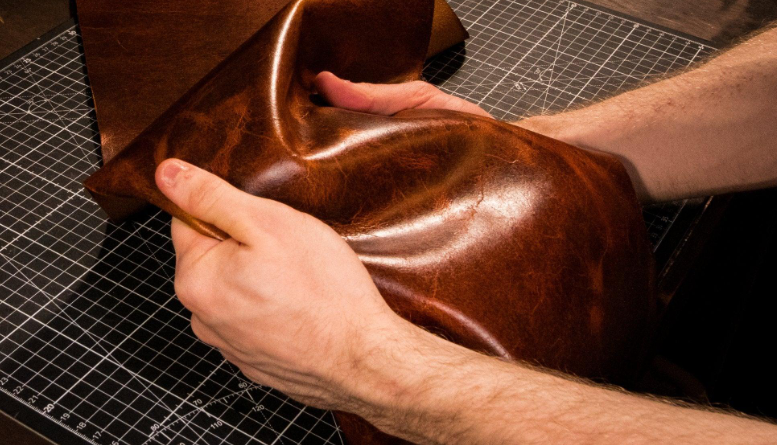
To the untrained eye, a scuff on a vintage-distressed leather bag looks like damage. To a tannery chemist and manufacturer, it is proof of precise fatliquoring and wax impregnation. The coveted oil pull-up effect—where the hide lightens dramatically along crease lines and folds before healing back under friction—is not a surface paint layer. It is a dynamic chemical reaction engineered deep within the collagen matrix.
At our facility in the Calcutta Leather Complex, formulating high-character vintage hides requires exact control over fatliquor emulsions, melting points of paraffin-lanolin wax blends, and drum retanning parameters.
1. Hot Fatliquoring: Feeding the core fibres
Fatliquoring is the process of introducing oils into leather to lubricate individual collagen fibrils so they glide past each other rather than locking and cracking when dried. For pull-up and distressed leathers, standard synthetic fatliquors are insufficient.
- Natural Marine and Vegetable Oils: We utilize specialized blends of neat's-foot oil, fish oils, and sulphited natural oils that penetrate deep to the flesh split during the wet-end process.
- Thermal Retaining: Maintaining elevated drum temperatures during fatliquoring ensures that hydrophobic oil molecules anchor securely to the ionic sites of chrome-tanned collagen.
- Tensile & Tear Balance: Proper oil loading prevents the leather from becoming boardy while retaining the structural rigidity required for rugged weekenders and boots.
2. Wax Blend Impregnation & Light Refraction
The distinct two-tone color shift of a pull-up hide occurs because of mobile paraffin and heavy paraffin waxes applied during crust finishing or top-dressing.
When the leather is pulled, stretched, or creased, the wax particles separate locally, allowing the lighter base dye underneath to show through. As heat from your hand or friction from daily wear is applied, the waxes liquefy slightly and redistribute themselves, effectively "self-healing" surface scratches.
| Wax Component | Melting Point Range | Visual & Functional Result |
|---|---|---|
| Microcrystalline Wax | 65°C – 80°C | Deep water resistance and heavy pull-up snap |
| Refined Paraffin | 50°C – 58°C | Smooth hand-feel, quick scratch recovery under friction |
| Natural Beeswax | 62°C – 65°C | Subtle organic matte sheen and long-term grain nourishment |
3. Drum Retanning & Grain Openness
Before oils and waxes can do their job, the leather must possess the correct internal void volume. We utilize combination tannages and specific vegetable retanning agents (such as mimosa and quebracho extracts) in controlled drum cycles.
This opens up the inter-fibrillar spaces, granting the hide high water-vapor permeability while creating a plump, spongy hand-feel. When paired with our dry milling operations, this chemistry ensures the leather hugs hardware and molds seamlessly to footwear lasts.
Conclusion: Chemistry that tells a story
In luxury goods and heritage leathercraft, perfection is no longer defined by a sterile, plastic-coated surface. Consumers and brands want leather that records history—hides that darken, soften, and respond to touch over years of use. By mastering the delicate chemistry of hot fatliquoring and wax migration, direct-from-tannery manufacturing delivers uncompromised character that machine-printed synthetics can never replicate.